Dave Racer, MLitt
Far too many people don’t understand the basic functions, distinctions, and separations in our form of government. The federal republic, known as – the United States of America – and the 50 states all have been granted enumerated powers by We the People. The responsibilities of each are different.
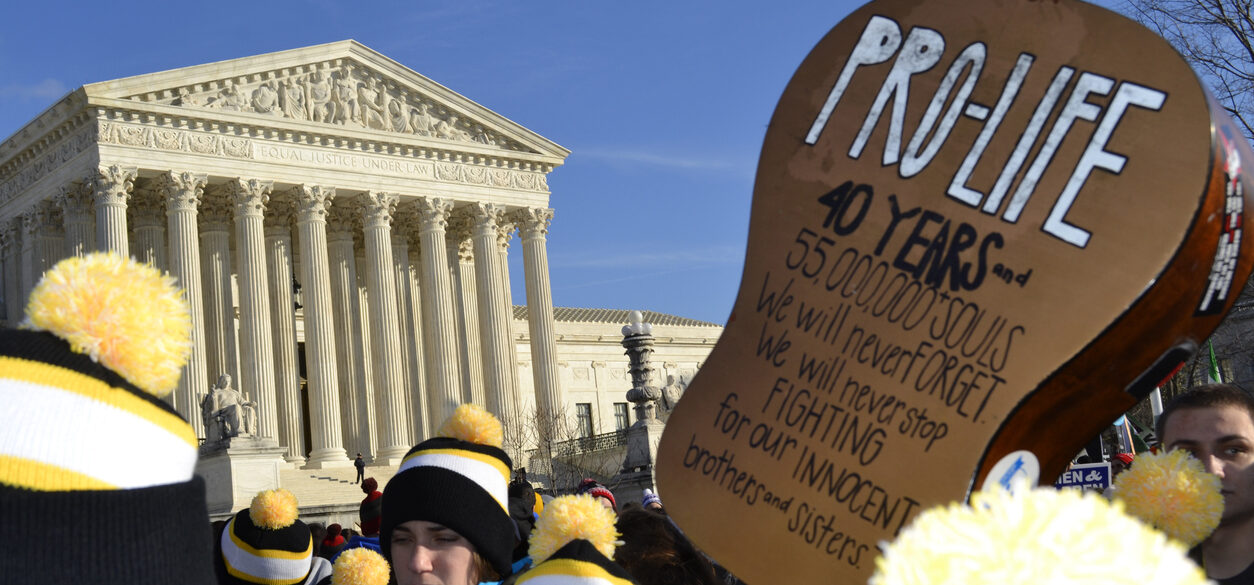
But Americans know little to nothing about our Constitution. The reaction to the recent ruling of the United States Supreme Court in Dobbs v. Jackson is yet another example.
“I’m so angry with the Supreme Court for taking away the right of women to choose.” How many times have you heard this? SCOTUS did no such thing, but the reason folks are confused is they do not understand states and the federal government have differing responsibilities.
When folks—both pro-abortion and anti-abortion—heard about Dobbs, they inferred that the “government” had ruled that women no longer had a right to abortion. The answer to that question, however, lies with each state government, not the federal government. That is the gist of SCOTUS’ ruling.
Groups promoting the false idea that Dobbs stole a right from women must either be ignorant or liars, because it did no such thing. Ignorant? That is likely for many, because they do not understand the difference between the federal and state constitutions, against jurisdictional issues. Liars? For the politicians and abortion industry leaders, there is ample evidence that they hide behind the public’s ignorance of the Constitution to promote an abortion-rights agenda.
SCOTUS, in Dobbs v Jackson ruled that there is not and never was a right to abortion enumerated in the federal Constitution. Neither are their any protected rights in the amendments pertaining to abortion. Of course there is wide acceptance to this with folks who oppose abortion, but there are numerous pro-abortion constitutionalists who also agree. The Constitution of the United States of America is silent on abortion rights.
Hence, SCOTUS suggests that each state will have to wrestle with whether the right to abortion will be established in their state. This is a restatement of the principle of federalism—states can establish laws that their citizens prefer as long as they don’t violate federally-established constitutional powers.
This principle of federalism should, and might now be exercised across a wide range of issues. Education, health care, environment, local government, and more are now open to review in ways unthinkable for decades.
The bottom line is that now we state citizens have a greater reason to take responsibility for the issue and political debates within our states. We have regained a good deal of our power and ability to influence local lawmakers.
The abortion debate will now play out in State Legislatures and state courts, as it should. Which side has the moral will and commitment to win this debate will be seen during the next several decades. More on this later.